
Self-Publishing 101
How to generate passive income with a book on Amazon

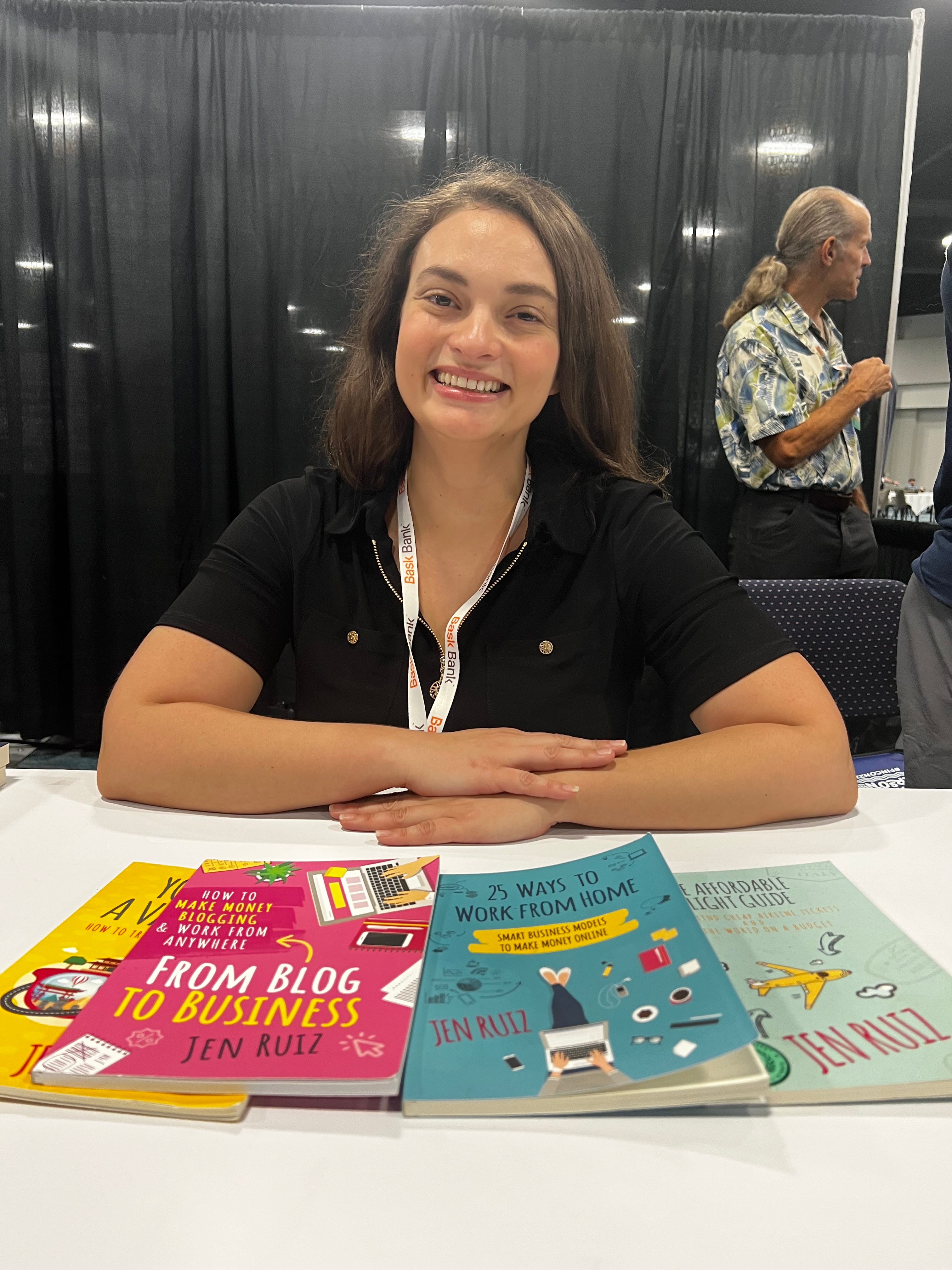
Hi crew! Thank you for your support and comments last week, I’m so glad you’re finding our weekly 101 posts helpful.
Every week, I do a deep dive into the industry and share tips and insights.
In the past, I’ve talked about self-publishing versus traditional publishing, and how to get a book deal. Today, let’s talk about the self-publishing process and how to go from vague book idea to bestselling author.
This week only, my self-published ebooks are on sale for $.99 each. Click here to browse the collection.
Where should you self-publish?
The easiest place to self-publish is Amazon. They own 80% of the ebook market, so there are a lot of eyeballs and chances for your book to rank.
Amazon has Kindle Direct Publishing, and they print your physical books on demand so you don’t have to worry about fulfillment. They handle everything, and issue you a check every month.
You can also publish your books on:
Apple Books – Great for reaching Apple device users.
Barnes & Noble Press – Another option for e-books and print.
IngramSpark – Ideal if you want your book in bookstores or libraries.
Smashwords or Draft2Digital – Useful for distributing to multiple smaller retailers at once.
For the purposes of this post, I’ll be referencing publishing on Amazon.
How do you get started?
Your first step to self-publishing is to do market research. You’ll want to identify the following;
2-3 comp books on your genre
Identify what categories they’re ranking in
Use the Kindlepreneur calculator to determine how many books you’d need to sell a day to rank
Identify any gaps in the market that you can fill
This will help you gauge if your book will perform even before you write it. Ultimately, publishing is a business and you’re in the business of selling books.
What do you need to self-publish a book?
Contrary to what you might think, you don’t need a lot to self-publish.
No fancy editing tools or writing apps are required. You can upload a word or PDF document.
A lot of people worry about ISBNs. They’re incredibly easy to purchase but also not necessary to get your book on Amazon. Amazon assigns their own ASIN numbers.
You need the text/substance of the book, a book cover, and then you specify the categories, price, markets, etc. It’s a simple upload process on Amazon and your book is live on the shelf, usually within a few days. For a physical book, you just need a back cover as well. They have tools that point out any errors, formatting issues, and allow you to preview how the book will look
Worst case, if anything is not to your liking, you can always go in and fix it by uploading new, corrected materials.
If you’re writing a children’s book, it’s likely you’ll need an illustrator. This would be an upfront cost, or you might agree on a royalty split.
If you’re writing a cookbook or other major photo book, be cognizant of photo rights and releases.
Your print book will cost more depending on the quality of materials you select, from paper stock to use of color ink. Amazon has a calculator where you can play with pricing to see what you earn after printing costs.
Print book costs are usually based on how much it costs to publish. Amazon encourages ebooks to be priced between $2.99 and $9.99 — that’s the sweet spot where you’ll get the most royalties.
Designing your book cover
The book cover is arguably one of the most important parts of self-publishing, which is why I recommend outsourcing it instead of designing it yourself.
I used 99designs and recommend them.
It needs to convey immediately what kind of book it is and what’s inside. You want a cover that fits with your genre and other books in your category (a business book and romance book have vastly different covers, for instance). You want legible text with clear contrast.
Best practices
I recommend marketing your book as you’re writing it. Involve your audience in the process so they’re excited for your book when it finally drops.
Your family cannot leave you a review on Amazon since they’re stricken as biased and can ding your visibility. Generally, I’d stay away from anyone that shares your last name or address that Amazon can link you to. Use them as part of your street team instead, having them serve as beta readers and sharing your book with their networks.
If you have a professional cover and format your book accordingly, you’ll be virtually indistinguishable from traditionally published books. The average reader won’t know the difference.
It used to be that writers used platforms like Scrivener or Vellum to format their books, but Amazon made their own free program that makes formatting a breeze, it’s called Kindle Create.
Your first 30 days on Amazon can impact your visibility overall so don’t launch without a plan. Book marketing is a 101 post on its own!
Generally, with research, a good cover, a well formatted book, and a marketing plan, you can reach Amazon bestseller status and generate money with your books, fast.
If you want to learn more, my Self-Publishing Masterclass is on sale for 70% off in November! I’m retiring the program as I cover this more inside the Jet Set Writer. Use the code “November70”.
Take advantage and download the webinar plus bonus workbook to take you from idea to published author in 90 days or less.
The KDP model has made publishing more accesible but the 80% market share also creates some interesting dynamics. Authors essentially have to play by Amazon's algorithm rules for visibility. Your point about the first 30 days being critical aligns with how they weight new releases in their recommendation engine.
This is a great primer for anyone thinking of getting into self-publishing. And never before in the history of writing has there been a better time to be an author. Carpe Diem!