
Earned vs. Sponsored Media 101
What’s the different and why does it matter for you?

Happy Tuesday, crew! Every week, I do an in-depth 101 post to help you better navigate the travel industry. Today, we’re talking about earned versus sponsored/paid media.
If you’re a creator trying to work with tourism boards, PR agencies, or brands, one of the first questions you’ll run into is this:
Are they looking for earned media or paid media?
More importantly, where do you fit in?
I’ve been on both sides as someone who has written for and been featured in traditional media outlets (earned), and someone who gets paid for content creation and promotion (sponsored). Both are valuable but they’re not interchangeable, and understanding the difference will help you position your pitches, set boundaries, and stop taking it personally when someone says, “Sorry, we only work with press.”
Let’s break it down.
🗞️ Earned Media = Traditional Press Coverage
This is what most tourism boards and PR firms are used to working with.
They host a group press trip or offer support for individual travel (lodging, meals, activities), with the expectation that you’ll write about them for a major media outlet like a newspaper, magazine, or a large digital publication.
You’re not paid by the destination. You’re compensated (eventually) by the outlet.
Your value to them is that your coverage is editorial, meaning credible, vetted, and not paid for.
Examples:
You write a destination piece for Fodor’s or Travel + Leisure
You contribute an article to AFAR or The Washington Post
You get quoted in a feature someone else is writing
💡 If you’re a freelance writer with bylines, you can (and should) pitch for this kind of trip, but it’s a different game than influencer marketing.
📱 Sponsored Content = Paid Partnerships on Your Platform
Sponsored media is what most creators are thinking of when they say they want to work with a brand.
In this case, you are the media outlet. You’re bringing your own audience, creating the content, distributing it on your platforms, and charging for the deliverables.
You’re not writing for an editor, you’re delivering for a client. That means the client usually gets editorial control and input on themes, photos, headlines, etc. They are essentially hiring you to make a commercial for them.
Examples:
A tourism board pays you to create a reel or YouTube vlog
A hotel partners with you for a sponsored blog post and newsletter mention
A brand hires you to feature their product in your stories
This is not earned media, this is influencer marketing or branded content. It is the same as that brand or destination buying an ad in the major media outlet.
🔍 Know What They’re Looking For Before You Pitch
Tourism boards fall into three buckets:
Traditional PR mindset: Only work with press/journalists, no influencer budget
Hybrid: Open to both editorial and creator coverage
Modern marketing teams: Have influencer budgets and look for paid partnerships
If you’re a creator with a platform (even if you’re also a writer), it’s important to clarify what they’re looking for, and if you’re talking to the right person.
Particularly with hybrid teams, you may be wasting your time talking to the earned media person who at best can offer you a media pass, instead of the influencer marketing person who controls a budget.
🧰 How to Position Yourself
If you’re pitching for earned media:
Mention recent bylines and outlets
Offer story angles you can place
Be clear that your deliverables are for an editorial publication
If you’re offering sponsored content:
Lead with audience demographics, impressions, past partnerships
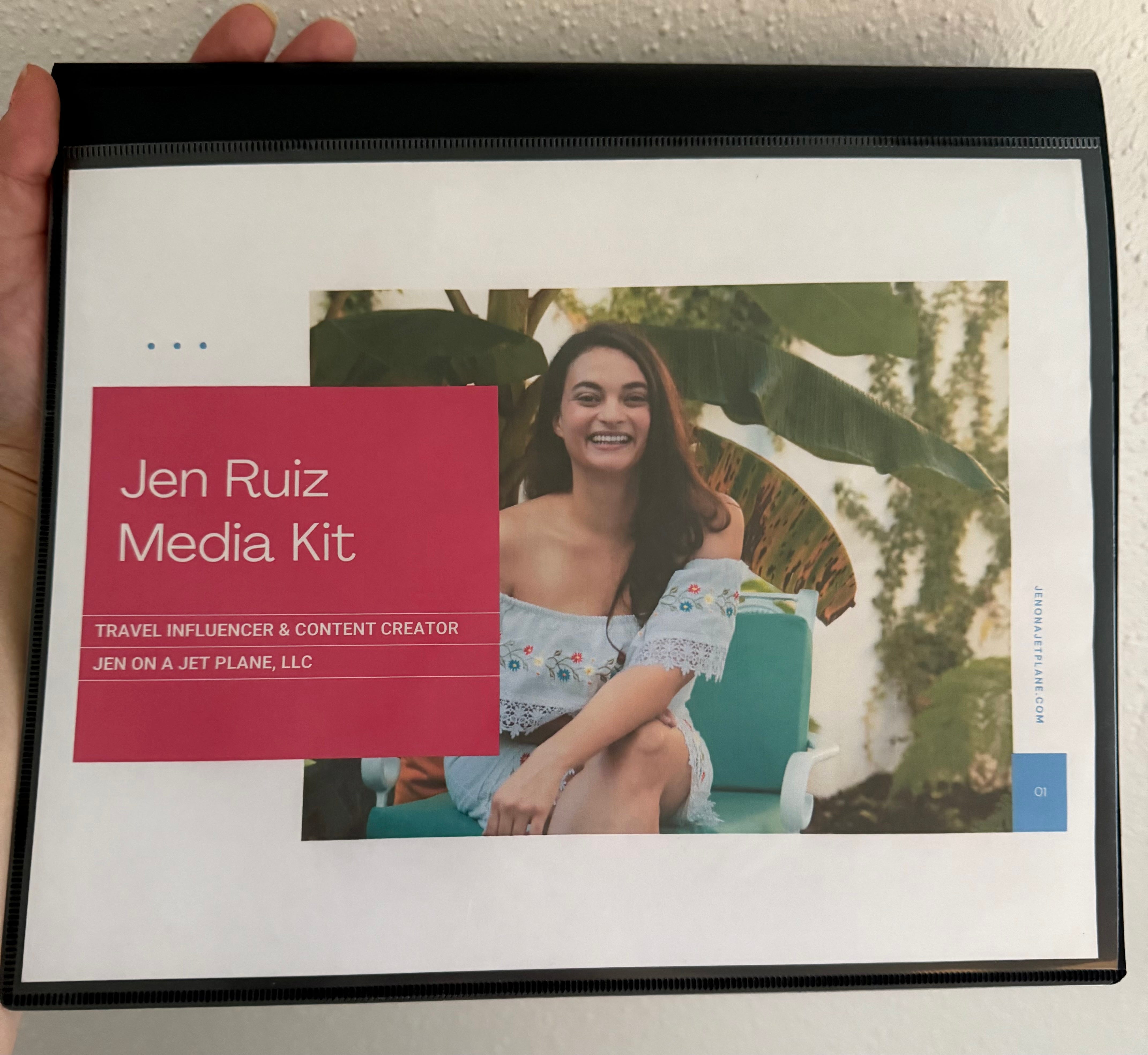
Include your media kit or rates
Be ready to explain how your content drives awareness and bookings
Sometimes, you’ll wear both hats, and that’s okay. Just be strategic about which one you’re wearing when you send the email.
✨ Final Thoughts
It’s not about which kind of media is better.
It’s about knowing what you're offering, and making sure the person on the other side understands the value of it.
Earned media builds long-term credibility.
Sponsored content pays the bills and gives you creative control.
Doing both makes you a unicorn in this space and a stronger asset to any destination.
As always, drop any questions in the comments, I answer everyone. And feel free to suggest 101 topics you’d like to see covered in the future!
Liked this post? Here’s the 101 archives: